Fairgate’s 2025 Recap: Leading the way to a new era of Universal Computation on Bitcoin

A Year Defined by Substance, Breakthroughs and a Strengthening Vision
2025 marked a turning point for Fairgate. What started as a research-driven exploration around BitVMX matured into a coordinated ecosystem of protocols, real-world integrations and global collaborations.
This year we witnessed our vision take shape into a modular, trust-minimized, protocol agnostic platform for universal computation on Bitcoin that developers can rely on to build the next generation of applications.
BitVMX Evolves Into a Mature Modular Platform
At the center of everything was BitVMX. Throughout 2025, it evolved from an impressive framework into a robust modular platform capable of powering real-world systems. This was evident not only in the increased clarity of the architecture, but in the depth of the research that emerged around it.
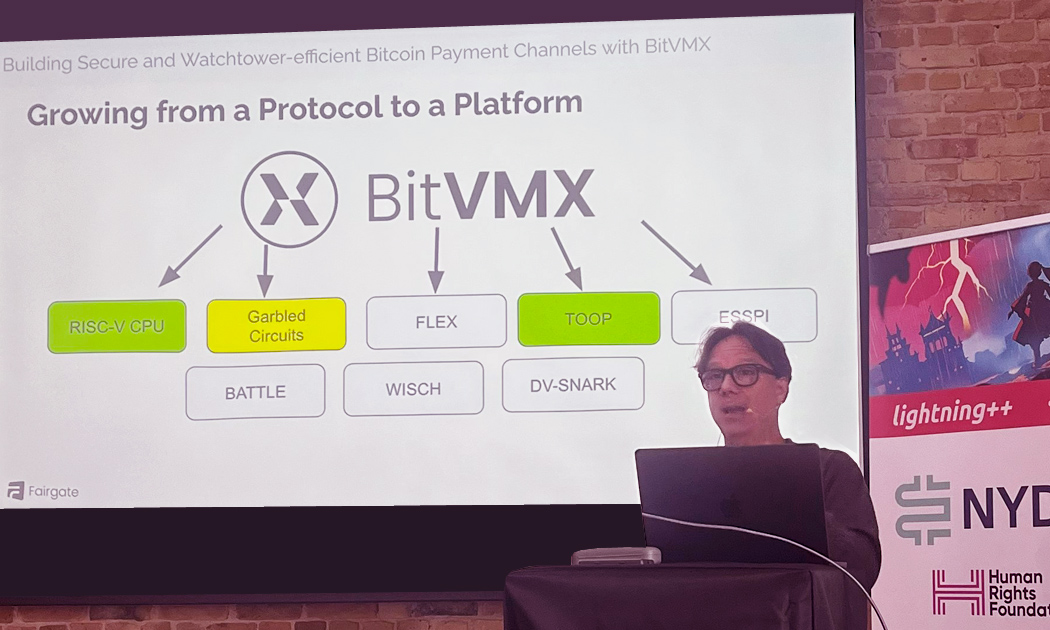
This evolution was driven by a series of publications that expanded the capabilities and security model of BitVMX:
- ESSPI: refined how program inputs are signed and verified, improving the reliability of complex off-chain computations.
- TOOP: introduced a trust-minimized mechanism for cross-chain ownership transfer, foundational for secure bridge design.
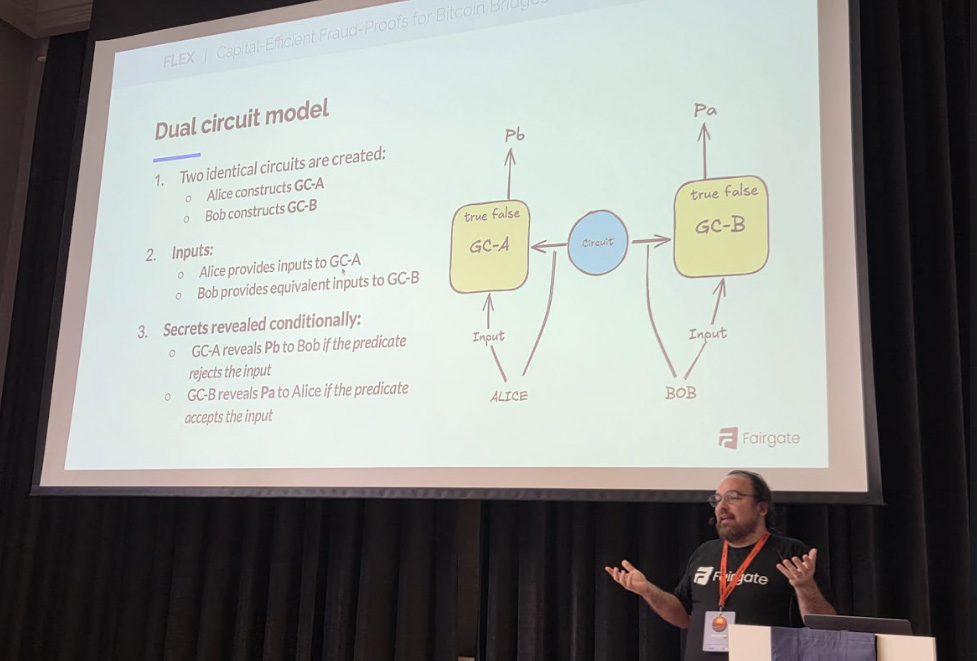
- FLEX & BATTLE: expanded the design space for robust, adversarially secure bridges, from capital-efficient fraud proofs to DoS-resilient dispute resolution, strengthening the foundations needed for scalable cross-chain systems anchored to Bitcoin.
- WISCH: explored correlated signatures that increase efficiency in off-chain protocols without compromising safety.
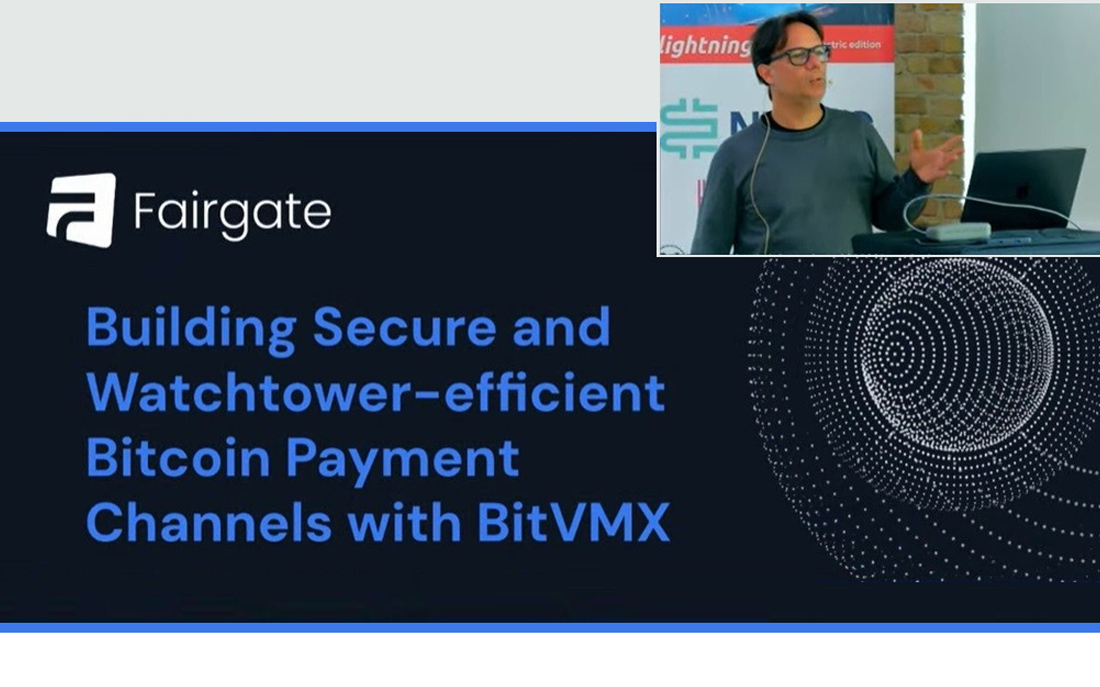
- OTS: simplified the construction of Lightning payment channels through one-time signatures, showing how BitVMX concepts can enhance existing Bitcoin protocols beyond bridging.
BitVMX also expanded its conceptual boundaries through our work around Garbled Circuits (GC). This research helped establish GC as a practical tool for Bitcoin-anchored computations, while also revealing real weaknesses in existing constructions.
Our team’s analysis of BitVM3, where we demonstrated fundamental flaws in its garbling scheme, shaped broader industry conversations and reinforced the importance of rigorous, adversarial research. Rather than positioning BitVMX as a competitor, this work emphasized Fairgate’s commitment to the security and viability of the entire Bitcoin computation landscape.
Open Source as a Turning Point
One of the most transformative steps we took this year was opening key elements of the BitVMX engine and its supporting components to the public. This marked a decisive shift in how BitVMX would grow from here on. By publishing repositories, documentation and reference implementations, we allowed developers to explore, build and challenge the system in the open, exactly as Bitcoin infrastructure should be developed.
This open-source effort lays the groundwork for a new phase of community engagement. By opening the engine room of BitVMX, we are creating the conditions for developers to begin experimenting more freely: building prototypes, validating ideas and shaping the direction of the platform alongside us. While still early, this shift positions BitVMX to grow into a living ecosystem rather than a closed research framework, and it sets Fairgate on the path to becoming a long-term steward of open, verifiable computation within the Bitcoin landscape.
BitVMX’s Open Source Stack keeps expanding: Message Broker & Operator Communication Library
We’re releasing two new core components: the Message Broker and the Operator Communication Library. These libraries enable secure and authenticated communication between operators.
BitVMX FORCE: Collaboration at Scale
Another major milestone of the year was the creation of BitVMX FORCE, a formal alliance between Fairgate, RootstockLabs and Input | Output. BitVMX FORCE gave shape and structure to a collaboration that had already been forming organically. Its purpose is clear: to coordinate research, share standards and accelerate the development of Bitcoin’s scalability infrastructure through a unified effort.
BitVMX FORCE became a space where teams could work together on specifications, documentation and long-term architectural planning. It institutionalized a type of cooperation that Bitcoin infrastructure sorely needed, one that ensures critical components are designed, reviewed and maintained with rigorous standards and multiple stakeholders aligned around a common goal.
Real-World Breakthroughs: Cardinal and Union Bridge
Research matters the most when it leads to real systems, and 2025 proved that BitVMX can support exactly that. Two major interoperability projects, both powered by our technology, stood as milestones for what verifiable cross-chain computation can look like.
The future of DeFi is cross-chain, and BitVMX exemplifies how Bitcoin can be a foundational layer in this evolution. By combining Cardano’s flexibility with Bitcoin’s security, we open the door to entirely new financial instruments and services.
—Charles Hoskinson, CEO of IO
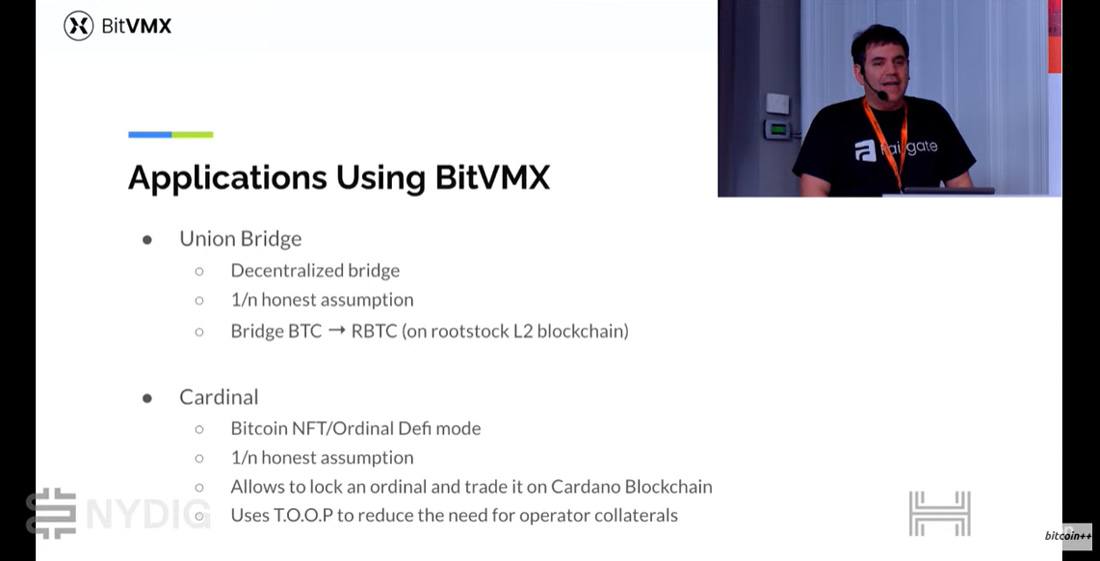
The first was Cardinal, unveiled at Bitcoin 2025 in Las Vegas. Cardinal established a trust-minimized bridge for moving Bitcoin-native assets, including Ordinals, into the Cardano ecosystem. It demonstrated that interoperability between Bitcoin and other chains can be done without custodians or multisigs, using verifiable computation instead of trust. Its announcement drew interest from developers, researchers and media across both communities, positioning Cardinal as a reference implementation for future cross-chain designs.
Equally significant was the Union Bridge project, our integration with Rootstock. Union Bridge showcased how BitVMX can power secure, non-custodial BTC ↔ Rootstock interoperability, setting a standard for Bitcoin Layer-2 communication. Rootstock’s long-standing focus on Bitcoin-aligned smart contracts made this collaboration particularly impactful: Union Bridge is a model for how other L2s may one day connect to Bitcoin through transparent, verifiable execution.
With BitVMX and Fairgate, we achieved something previously thought impossible: a non-custodial, permissionless bridge that upholds Bitcoin’s core principles while enabling seamless cross-chain functionality staying true to Rootstock’s core objectives.
—Henrik Jondell, CTO of Rootstock
Together, Cardinal and Union Bridge became two of the most important case studies of the year, clear demonstrations that trust-minimized bridges are not theoretical, but ready for real deployment.
A Global Presence: Side Events, Technical Sessions and Community Building
As the technology matured, Fairgate’s presence across the global ecosystem grew. Our team participated in a series of major events throughout the year, not only as speakers, but as organizers of dedicated gatherings that allowed us to engage directly with developers, builders and other researchers.
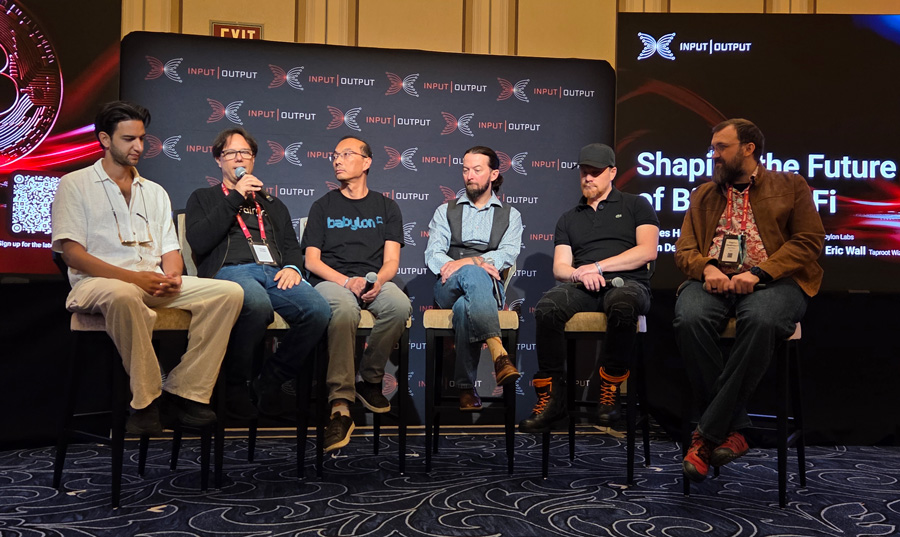
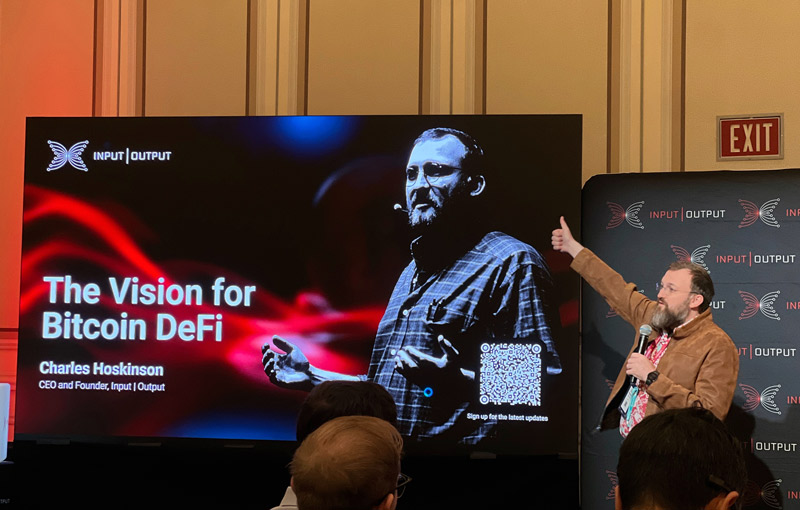
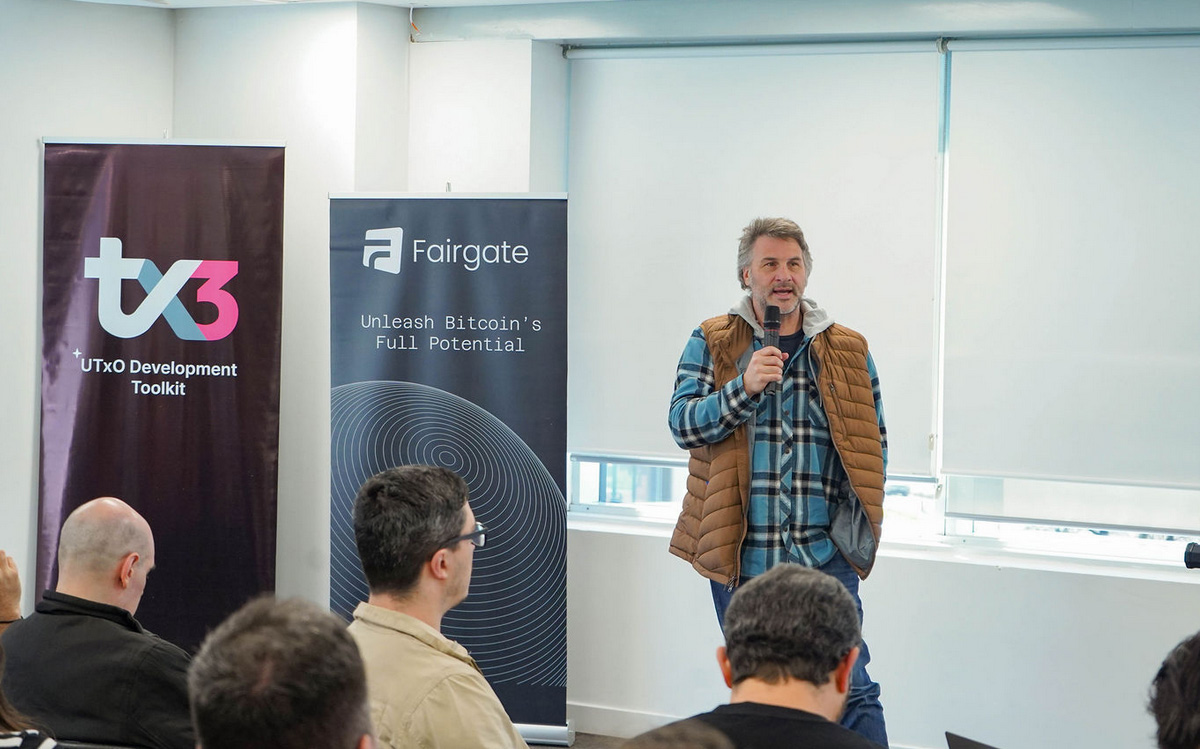
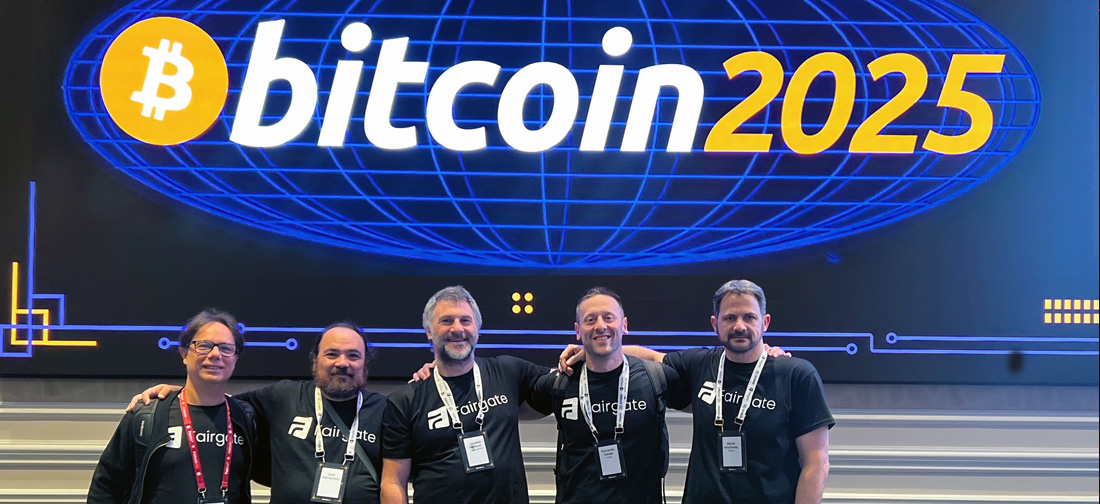
Our side event at Bitcoin 2025 in Las Vegas was one of the most memorable, bringing together communities from Bitcoin, Cardano and beyond for the unveiling of Cardinal and marking the first public presentation of TOOP, a protocol that would soon be adopted and explored by several teams across the ecosystem.
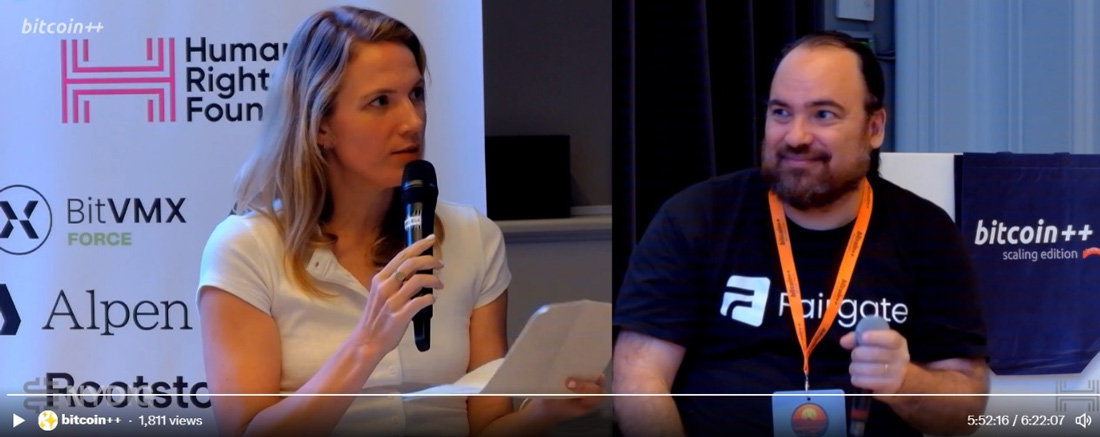
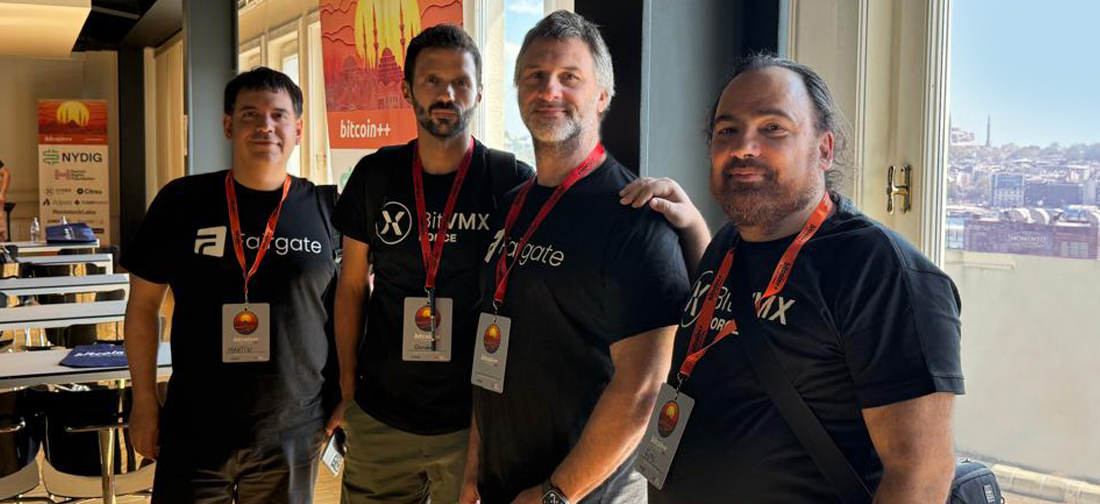
From there, our calendar accelerated: we presented advanced sessions on garbled circuits and protocol design at BTC++ Istanbul, and contributed to broader conversations on Bitcoin infrastructure at BTC++ Berlin.
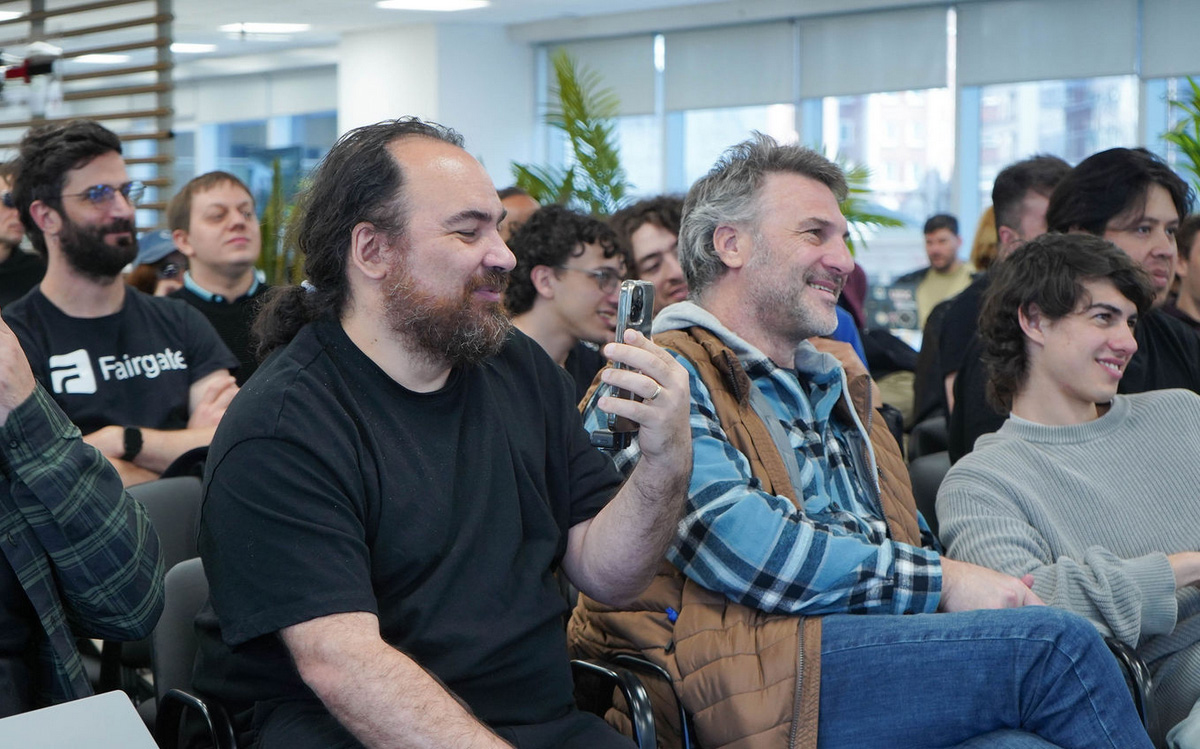
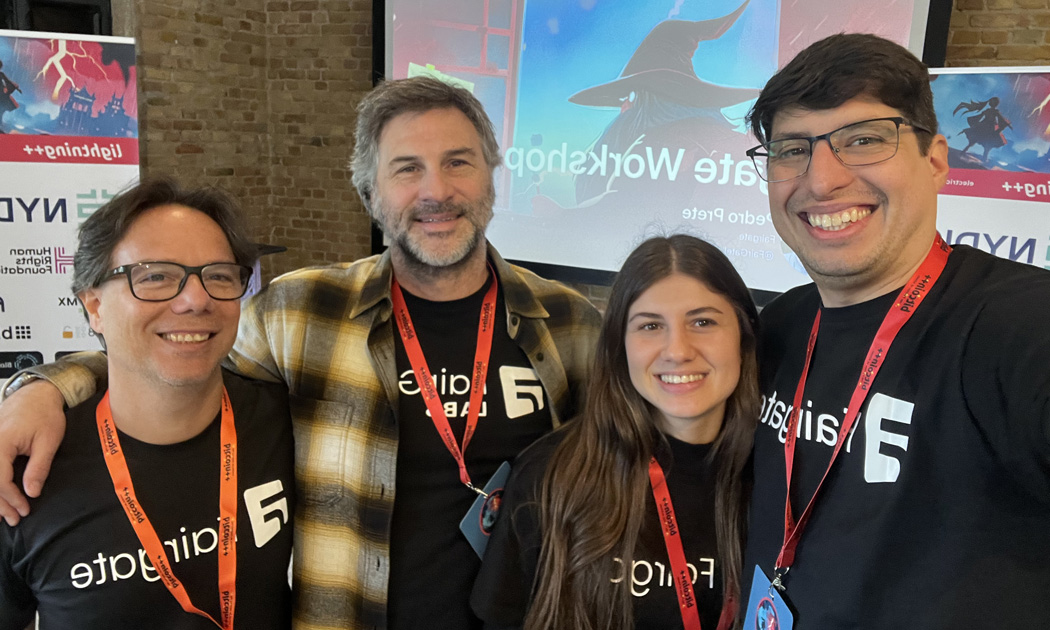
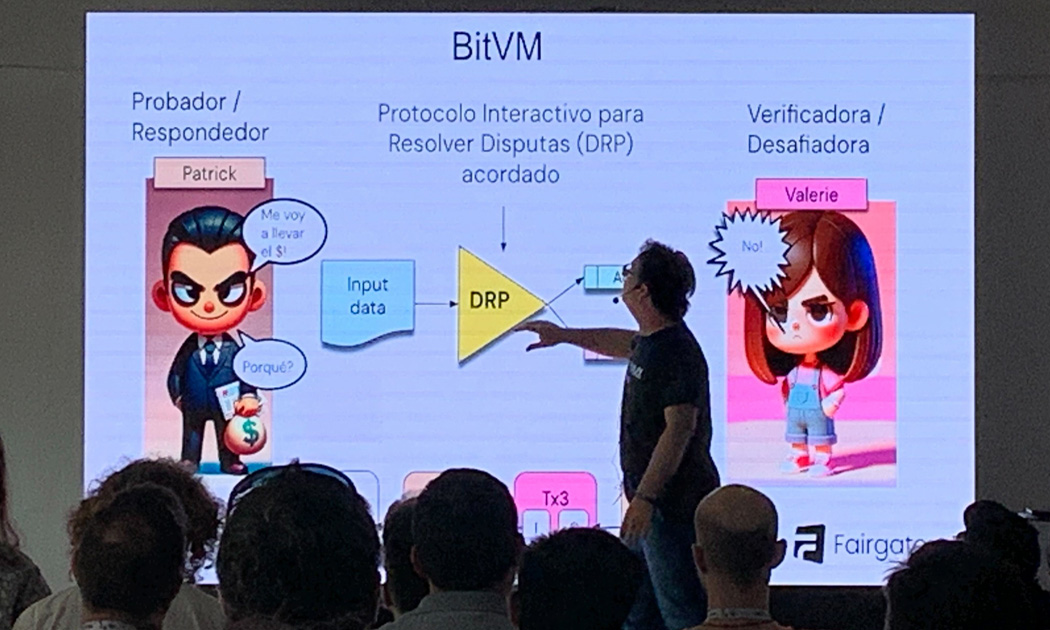
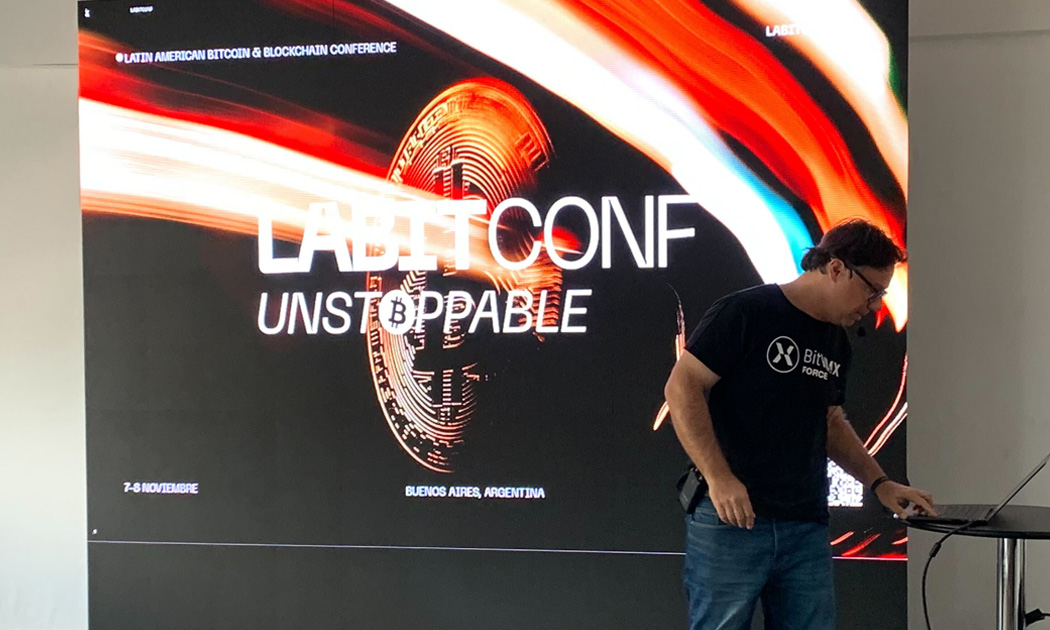
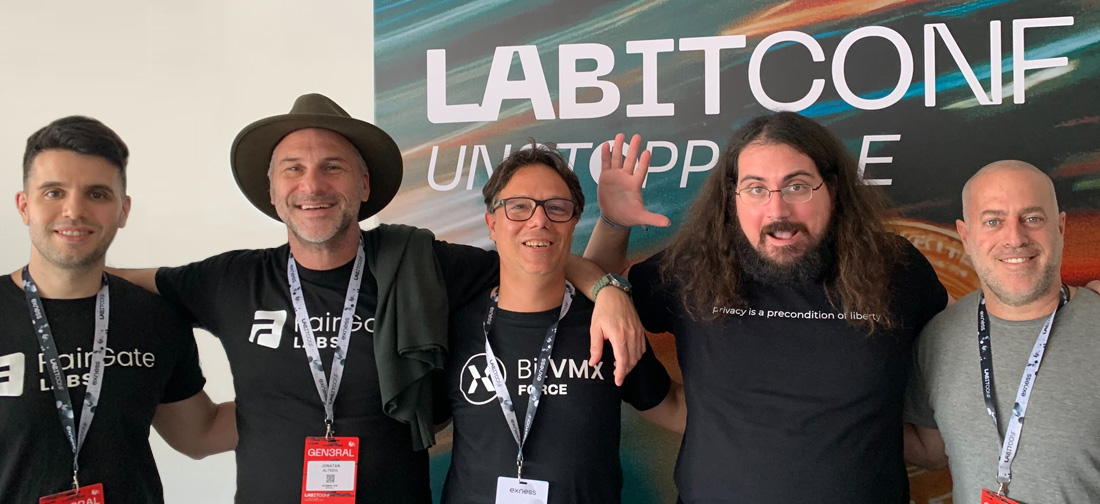
Later in the year, we returned to Buenos Aires for two major side events: one held right after LABITCONF and the other organized just before Devconnect. Both gatherings offered space for deep technical exploration into BitVMX and Fairgate’s ecosystem of protocols.
Even outside the purely Bitcoin ecosystem, Fairgate contributed to the broader blockchain dialogue; Sergio Lerner’s participation in Rootstock and Arbitrum-aligned events brought a Bitcoin perspective to L2-focused audiences.
These gatherings helped define Fairgate’s identity as an engineering oriented organization deeply embedded in the community, committed to building in public and sharing ideas openly.
Expanding Our Footprint and Strengthening the Community
Following its first public presentation in Las Vegas, TOOP quickly began resonating across the broader ecosystem. Several teams building Bitcoin-aligned infrastructure (including Citrea and BOB) started exploring TOOP as a foundation for their own interoperability layers.
These organizations, each approaching Bitcoin scalability from different angles, found in TOOP a flexible, trust-minimized primitive for coordinating asset transfers across domains without relying on custodial multisigs or centralized operators, while also enhancing capital efficiency. The early interest from such diverse and technically rigorous teams underscored the relevance of TOOP’s design, reinforcing its potential as a unifying building block for the next generation of Bitcoin-native bridges and rollup architectures.
Fairgate’s first BitVMX Hackathon marked another important step in expanding the ecosystem. It invited developers to experiment with the open-source stack, explore new use cases and push the limits of what BitVMX can do.
Throughout the year, Fairgate’s online presence grew across different channels and social platforms, helping us reach new audiences and keep the community up-to-date about research, events and protocol publications. The launch of our own podcast and participation in other industry related podcasts helped translate technical concepts into accessible discussions for wider audiences.
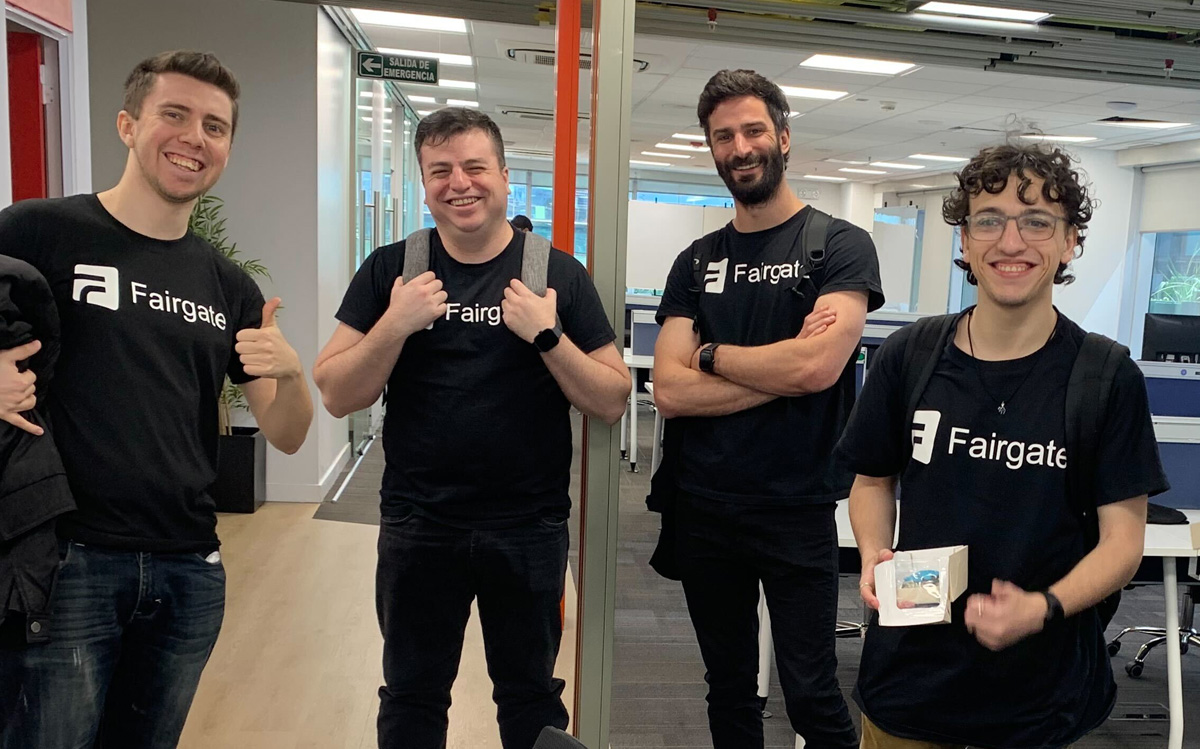
Internally, the team expanded with new researchers, engineers, designers and ecosystem contributors, strengthening our ability to support both the protocol layer and the growing developer community around it.

Looking Forward: Toward Covenants, Witness Encryption and Bitcoin’s Next Computational Layer
The progress made in 2025 sets the stage for an even more transformative year ahead. As the Bitcoin ecosystem moves toward enabling Covenants, Fairgate is preparing to explore new constructions that take advantage of programmable UTXO flows. Advancements in witness encryption, compression techniques and verifiable computation will unlock entirely new classes of Bitcoin-native applications, from scalable bridges and layer-2s to decentralized financial primitives anchored directly to Bitcoin’s security.
Fairgate enters 2026 with a clearer mission, a more mature ecosystem and the momentum needed to shape Bitcoin’s computational future. The foundation is built; the next era begins now.