


Computing on Bitcoin #114
November 06, 2026 - Week 45
Welcome to this week’s edition of Computing on Bitcoin News! Let’s get into it.
A new paper by Fairgate’s CTO, Sergio Lerner, introduces a way to achieve compact, logarithmic-size inclusion proofs using a single linear hash stream, without requiring a traditional Merkle tree.
eprint.iacr.org
🔗
Verifiable Data on Bitcoin: FlatMerkle Commitments, Refutable Proofs, and FlatChecks

We give a method to publish data on Bitcoin and to verify properties of that data on Bitcoin itself, against a publisher who may lie. The data is a FlatMerkle file – a structured byte string whose ordinary SHA-256 supports logarithmic inclusion proofs and logarithmic proofs of malformation – placed in a transaction's annex or, at four times the cost but relayable by Bitcoin Core, in an output.
A new article examines the Bitcoin Layer 2 ecosystem, highlighting Ordinals and the theoretical advancements of BitVM as drivers of more complex smart contract functionality
enicomp.com
🔗
Bitcoin Layer 2 Ecosystems: Ordinals, BitVM, and the Evolution of Programmability
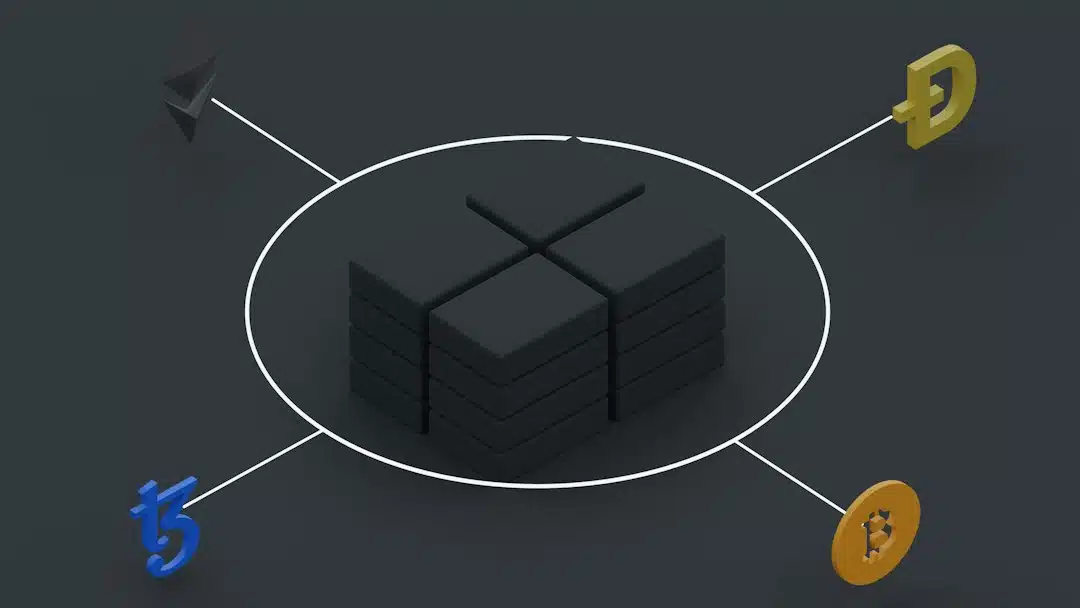
The Bitcoin Layer 2 ecosystem is rapidly expanding beyond its initial scope, moving from primarily payment-focused solutions to a more diverse landscape driven by innovations like Ordinals and the theoretical advancements of BitVM. These developments are fundamentally altering what’s possible on and around Bitcoin, introducing new forms of digital assets and paving the way for more complex smart contract functionalities, all while aiming to maintain Bitcoin’s core security and decentralization principles.
A new guide compares Bitcoin Layer 2 models, including Lightning, Liquid, Rootstock, and BitVM-based rollups, focusing on their custody arrangements, security assumptions, withdrawal mechanisms, and associated risks
blockinsider.com/guides
🔗
Bitcoin Layer 2: How Lightning, Sidechains, and Rollups Work
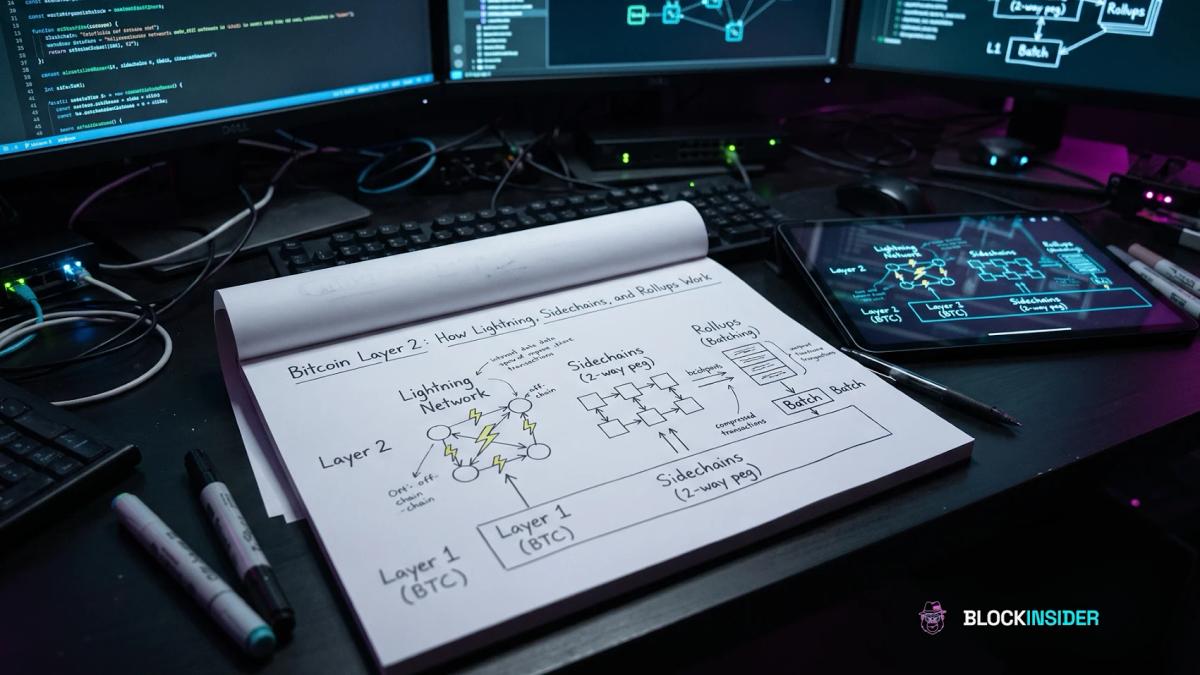
Lightning, sidechains and rollups all move bitcoin activity off the main chain. Here is who holds your BTC on each Bitcoin layer 2 and what can go wrong.
Project ZKM released Ziren 2.0, introducing a new proving system for its zkVM, with applications including Bitcoin verification through BitVM-based protocols.
x.com/ProjectZKM
🔗
Ziren 2.0

Ziren 2.0 is here, replacing the proving core of our zkVM with a new proof system, jagged-over-WHIR, rebuilt across 1,690 commits and documented in the design paper on the IACR Cryptology ePrint Archive.
That’s all for this week’s Computing on Bitcoin News. Thanks for reading, and we’ll be back soon with more developments and ideas from across the ecosystem.
Until next time,
The Fairgate Team