


Weekly x402 activity hits a 2026 high, but the dollars moved barely register
8.7 million transfers in the week of August 17, double the prior week, yet only about $368,000 changed hands — roughly 27 times below the value peak set in November 2025. Base’s share of that traffic fell from near-total dominance to 48%, with Solana growing from 6% to 38% of the market in nine months.
en.cryptonomist.ch
➜]
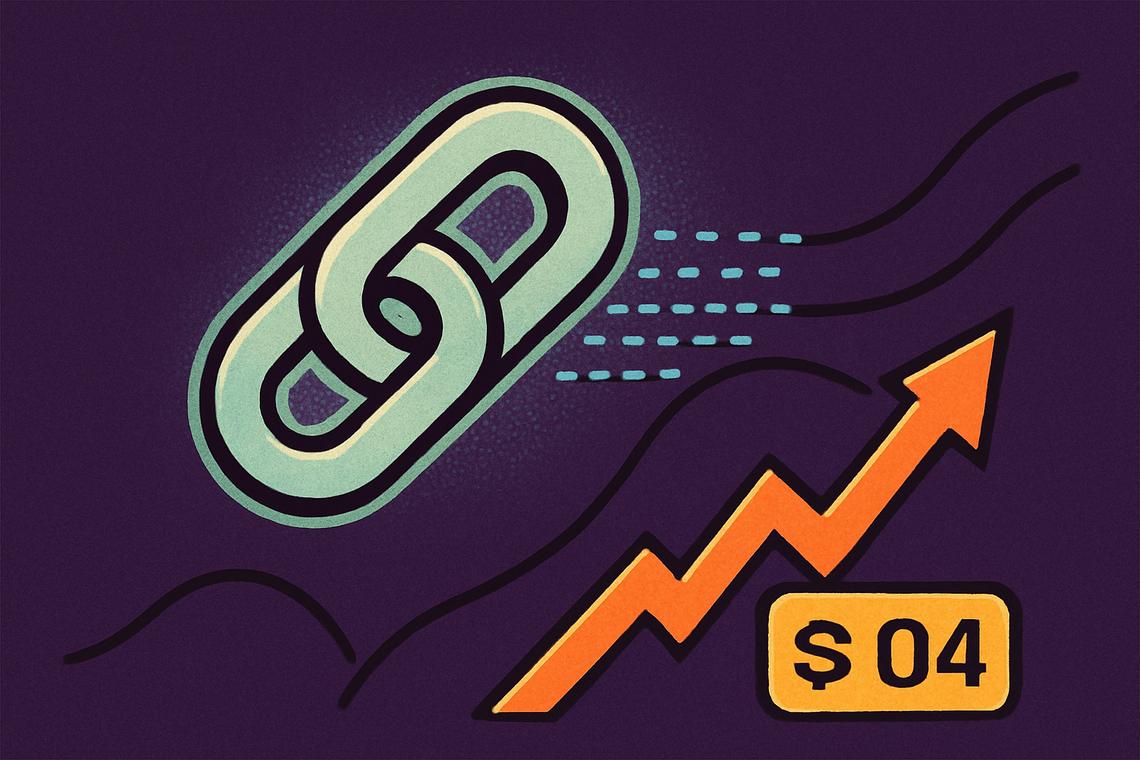
Agentic stablecoin payments hit 8.7M transfers, but value stays flat at 4 cents
Number of the Month
The cumulative number of payments processed through Coinbase’s x402 protocol since launch, roughly $50 million settled, about 99% of it funded by USDC (Coin Insider, August 24).
Read next to this month’s other data point, it gets more interesting: the single busiest week on record for x402 transaction count, the week of August 17, moved only about $368,000 in total value. The protocol is compounding in frequency, not yet in size: transaction counts alone are the wrong proxy for economic weight here.
Perspectives
This month’s infrastructure moves share a pattern. OSL’s new AgentPay supports x402, AP2 and MPP at once. Visa backs a consortium stablecoin while still hedging across card and crypto rails. Protocol choice, for most of the industry, has quietly become a distribution decision, not an architectural one.
That’s reasonable at the application layer. It’s a strange place to stop looking.
x402 is a payment status code wrapped around whatever settlement sits underneath it. This month’s numbers show what that settlement is in practice: 165 million payments, roughly $50 million total, about 99% of it USDC moving on Coinbase’s Base. The protocol is chain-agnostic on paper. The money isn’t, yet.
Bit2’s new comparison research, published this month, is a useful corrective to reading that gap as a branding problem. Laid side by side against Lightning, Ark, Base and RGB on the properties that matter for machine-scale payments, the differences stop being cosmetic.
A Lightning payment succeeds roughly 90% of the time, and gets less reliable as the amount grows, because it depends on liquidity across every hop in a route. A client-side validated payment either succeeds deterministically once accepted, or it doesn’t happen at all. Confidentiality splits the same way: a rollup publishes transaction data by design, a payment channel network leaks partial information to routing nodes, and only proof-based settlement keeps history compressed rather than visible by default.
None of this settles which architecture agentic commerce ends up running on. This month’s volume, still tiny relative to the coalitions backing it, suggests that question isn’t close to resolved. But as more providers hedge across every protocol at once, the properties that used to be someone else’s implementation detail are becoming the actual competition.
Lower Latency
A space to slow down, read deeper, and sit with ideas worth more than a scroll.
Most comparisons between payment networks stop at speed and cost. This one goes further into a property that matters more once agents are transacting on their own: whether a payment can be embedded inside a conditional workflow, one that only resolves when an external proof, event, or second payment clears, without needing a smart contract to execute it globally.
The piece walks through how Bit2 handles this with pre-committed alternative recipients on the same funds, resolved atomically the moment conditions are met, and compares that against how Lightning, Ark, RGB and rollups each handle (or don’t handle) the same problem.
fairgate.io/blog
˙✦
Comparison between Bit2 and Other Payment Networks for Agentic Payments
